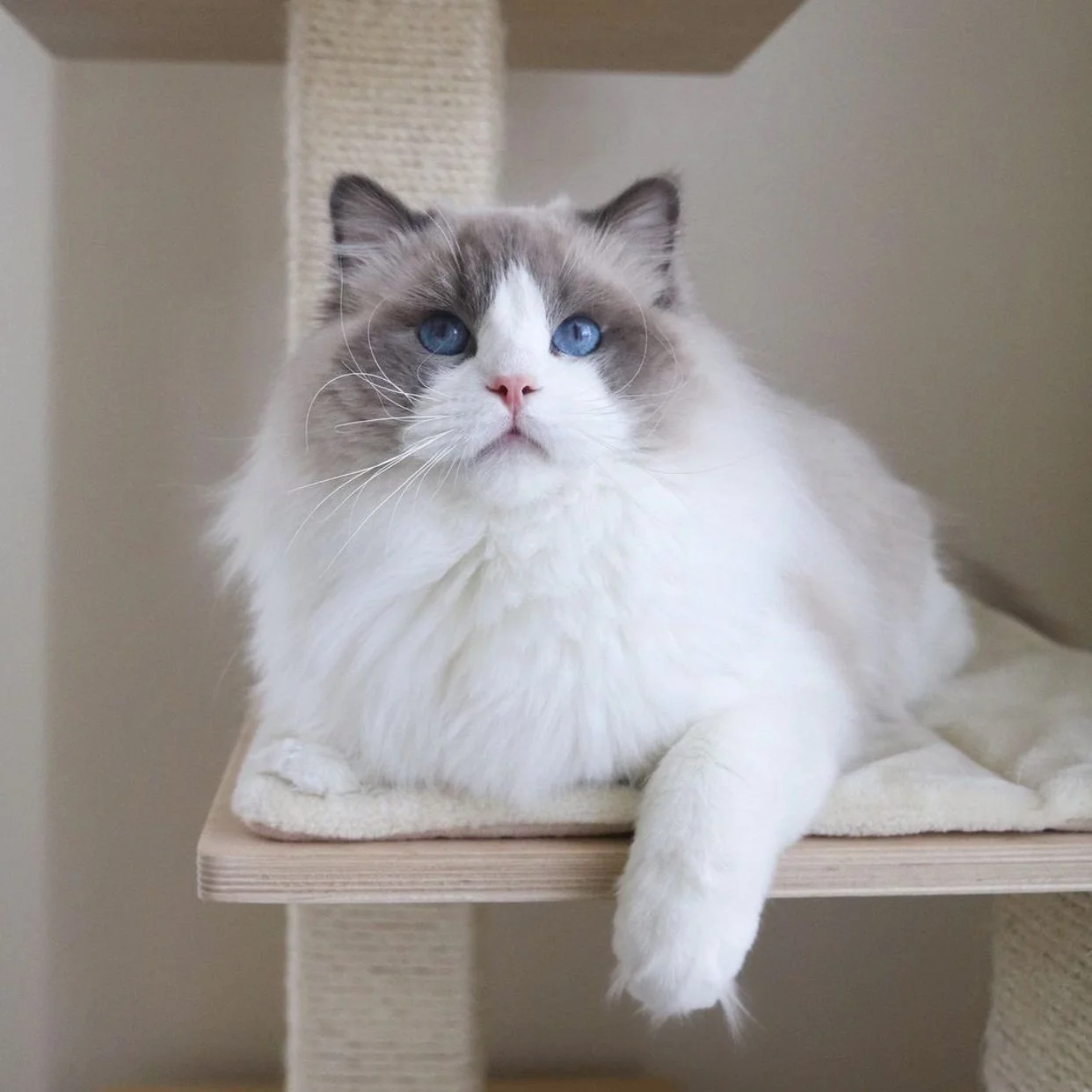
Deciphering Ragdoll Pet Cat Type Specifications: Supporting Feline Excellence
Ragdoll pet cats are prized for their beauty and mild nature, and understanding the breed requirements is essential for assessing their quality and adherence to reproduce characteristics.
Intro to Ragdoll Cat Breed Standards
Ragdoll cats have an abundant history dating back to the 1960s in California, USA, where they were precisely reproduced to display details traits, resulting in their unique appearance and personality.
Background and Development of the Ragdoll Breed
The Ragdoll breed's development owes much to the efforts of dedicated breeders and fanatics, that meticulously curated the type's attributes to produce the gentle, caring pet cats we understand today.
Controling Bodies and Associations
Different feline computer system registries and breed organizations, including The International Cat Association (TICA) and the Cat Fanciers' Association (CFA), establish and maintain standards that specify the perfect qualities of Ragdoll pet cats for exhibition and reproduction.
Physical Characteristics of Ragdoll Cats
Ragdoll felines are defined by their large size, muscular build, and semi-longhaired coat, which can be found in a range of colors and patterns, consisting of seal, blue, chocolate, lavender, pointed, mitted, and bicolor.
Shade and Pattern Variations
The diverse shade and pattern variations within the Ragdoll breed contribute to its charming appeal, with each combination contributing to the individuality and beauty of these regal felines.
Head and Facial Structure
Ragdoll cats flaunt an unique head shape characterized by a broad, changed wedge shape, level aircraft in between the ears, and a delicately rounded muzzle, which provides their sweet and charming expression.
Body Structure and Proportions
Their large, muscular bodies, wide breasts, and strong bone frameworks are enhanced by their characteristic tendency to loosen up totally when gotten, making them the name "ragdolls.".
Coat Texture and Length.
Ragdoll cats possess a soft, smooth layer that lies close to the body, with a mild ruff around the neck and complete breeches on the hind legs, contributing to their lavish and stately look.
Personality and Personality Traits.
Understood for their gentle and caring nature, Ragdoll cats exhibit a manageable personality that makes them fit for interior living and friendship with people and other animals.
Reproducing Practices and Ethics.
Accountable dog breeders abide by strict breeding techniques to make sure that Ragdoll felines comply with reproduce criteria and exhibit the wanted characteristics of health, personality, and conformation.
Showing and Judging Ragdoll Cats.
In cat programs, Ragdoll pet cats are examined based on exactly how closely they follow the type requirements, with judges assessing various facets such as layer shade and texture, body conformation, and general character to establish their top quality.
Final thought: Upholding the Essence of the Ragdoll Breed.
Understanding Ragdoll feline type requirements is vital for protecting the honesty and beauty of the type, making sure that Ragdoll pet cats continue to captivate and captivate feline lovers worldwide with their distinct qualities and attributes.
Ragdoll Cat Breed Standards: FAQs.
Q: What are one of the most usual coat colors and patterns seen in Ragdoll felines?
A: The most common coat colors in Ragdoll felines are seal and blue, while patterns such as sharp, mitted, and bicolor are regularly observed.
Q: Are Ragdoll pet cats suitable for households with kids and other family pets?
A: Yes, Ragdoll pet cats are understood for their mild and friendly nature, making them outstanding buddies for family members with youngsters and other pet dogs.
Q: Do Ragdoll felines require a lot of brushing due to their longhaired coats?
A: While Ragdoll cats do have semi-longhaired coats that need regular grooming to avoid https://www.royaltyfelines.net matting and decrease dropping, their grooming needs are generally workable with once a week cleaning sessions.